Knowledge
Commercial drone guides for real operations.
Ten guides for buyers and operators: selection, coverage, mapping, RTK, ground equipment, cost and import. Written to answer the question first, then show the trade-offs.
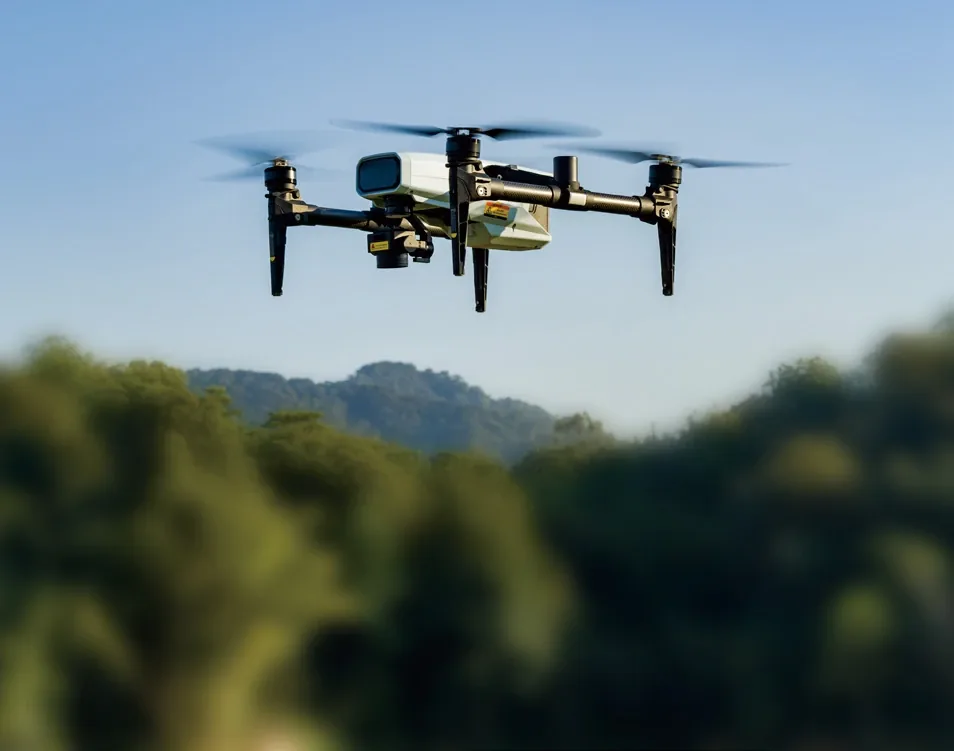
Agricultural drone selection: start with the job, not the payload
Most agricultural drone comparisons start with payload. That is the wrong first question. The right first question is: which job do you need to repeat, on which blocks, with what support?
Read guide →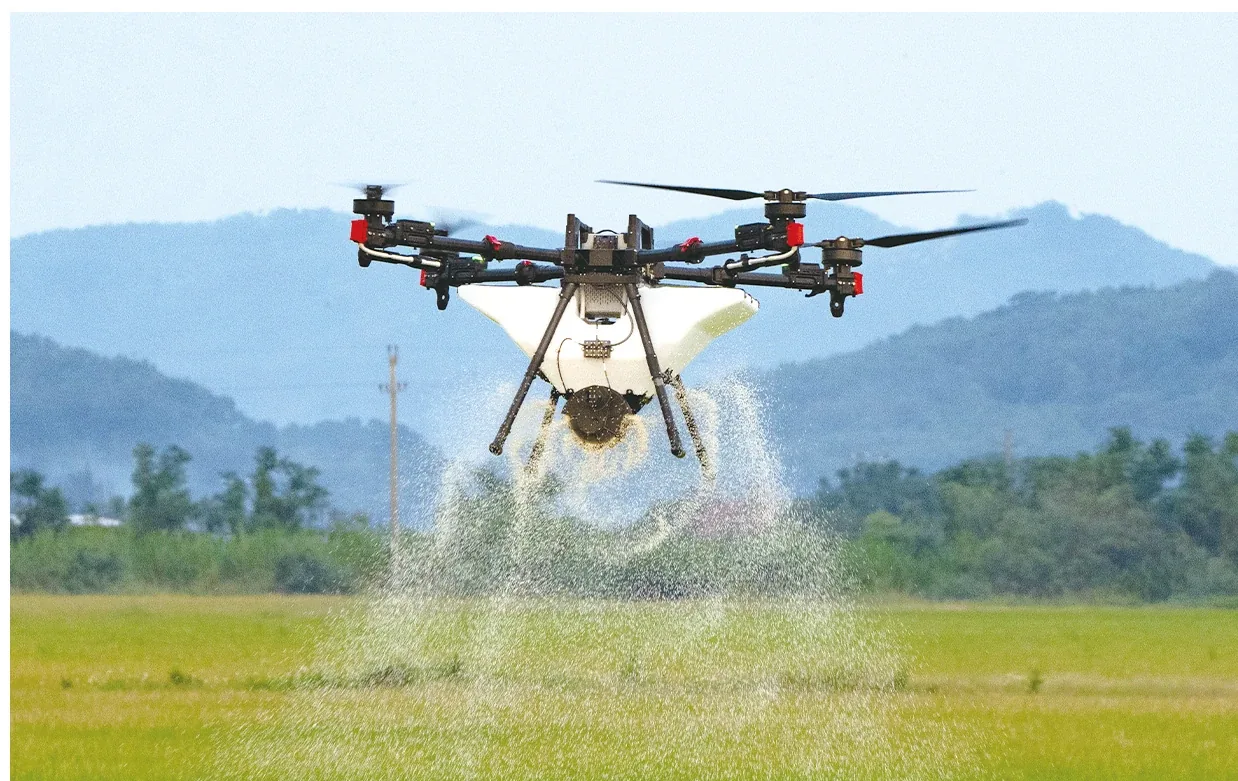
Spraying drone coverage: payload, tank, swath and the real hectares per hour
A spraying drone listing usually leads with tank size and maximum flow. Those numbers matter, but they do not tell you how many hectares you will finish in a day.
Read guide →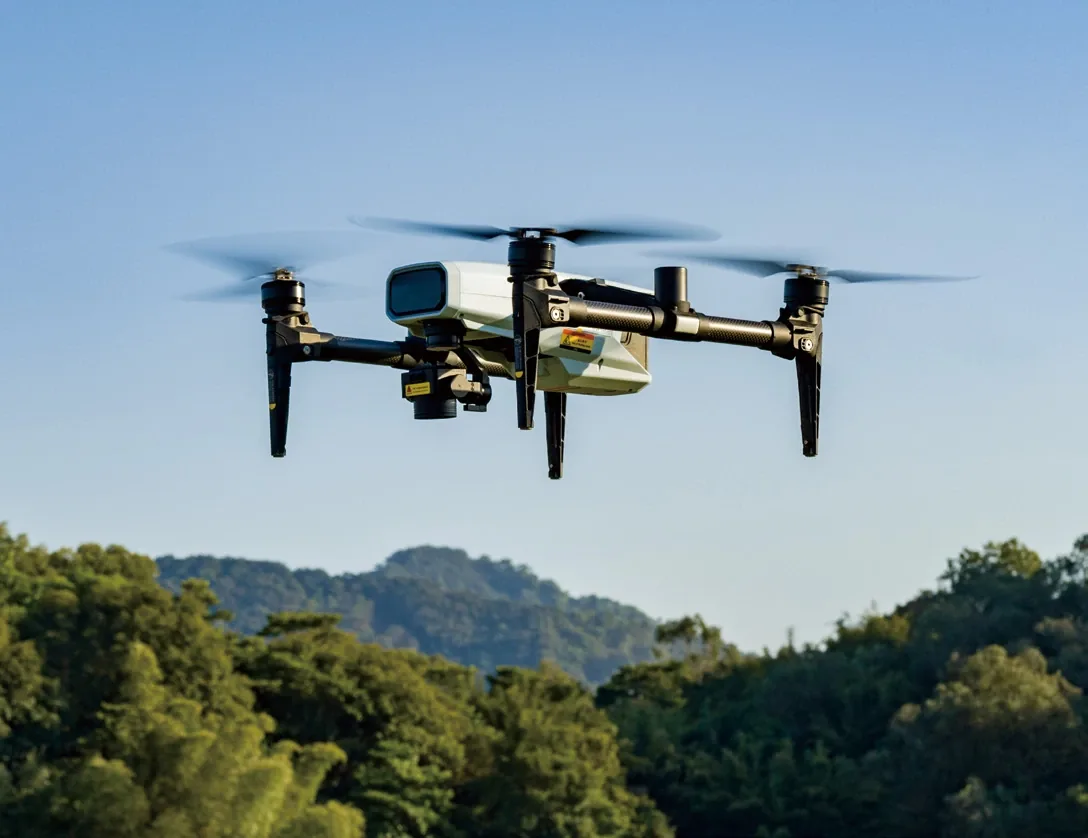
Mapping drones, RTK and multispectral: what the outputs actually mean
A mapping drone produces more than a picture. It produces a georeferenced layer that can be measured, compared over time and used to plan an application.
Read guide →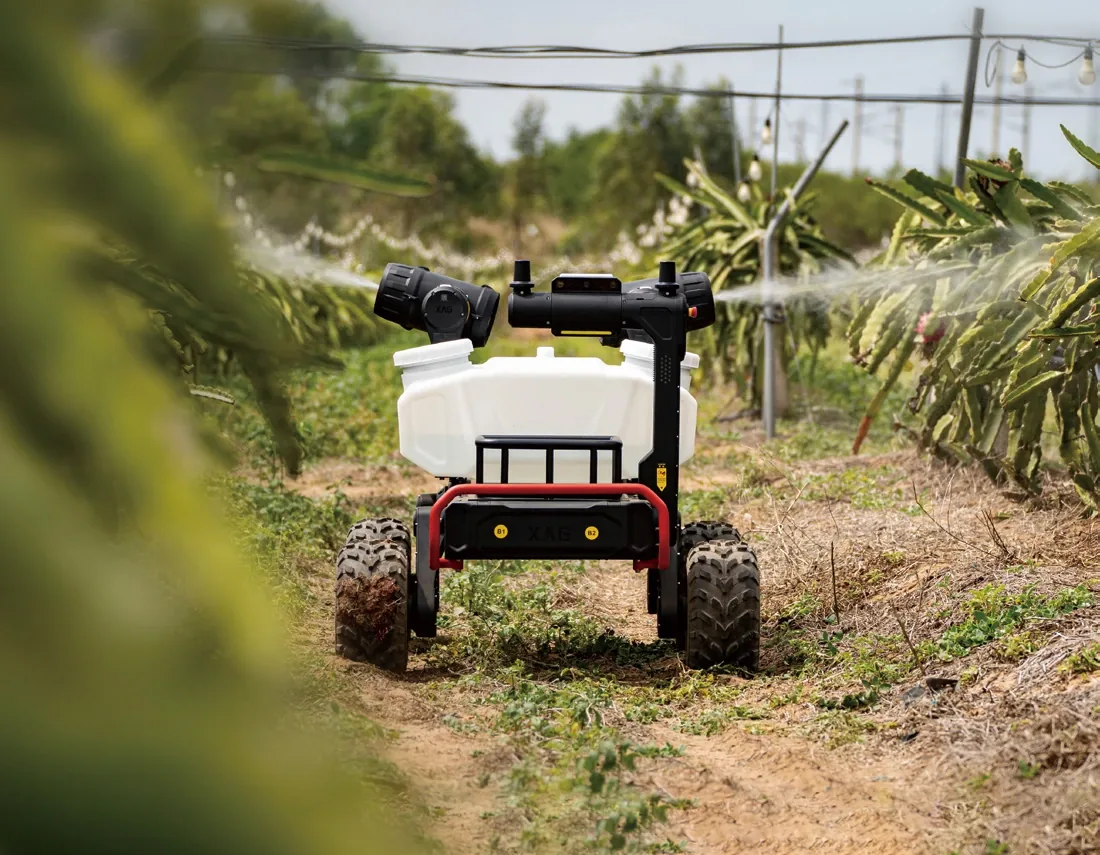
UGV, autopilot and fertigation: the ground layer of a drone programme
Not every job belongs in the air. Orchard rows, tractor guidance and fertigation are ground-layer jobs that determine how well the aerial work fits the farm.
Read guide →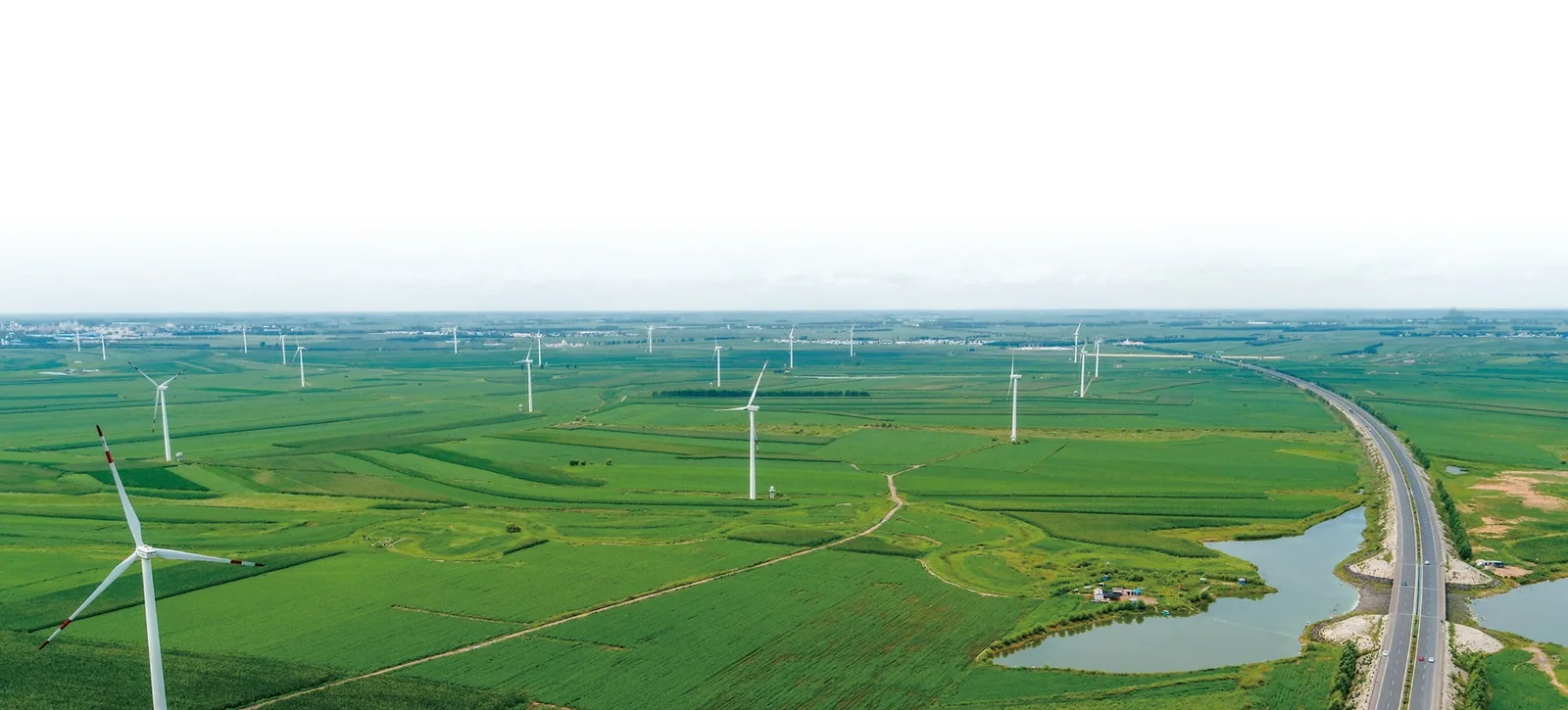
Commercial drone cost and procurement: what to compare beyond the price
A commercial drone quotation can look simple: aircraft, batteries, charger. The differences that decide the total cost are usually outside that list — guidance, spare parts, training, export terms and support.
Read guide →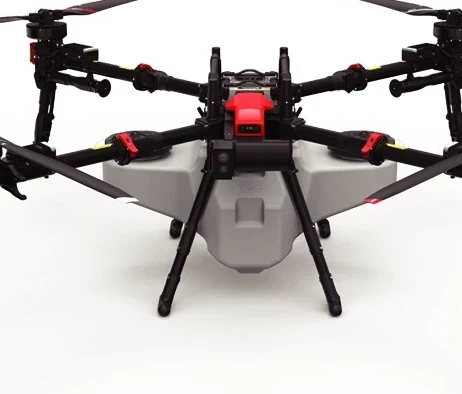
P150 vs P60: throughput, transport and the real difference
The P150 and P60 share the XAG task-system logic. The difference is throughput versus transportability, and the operating scale each one supports.
Read guide →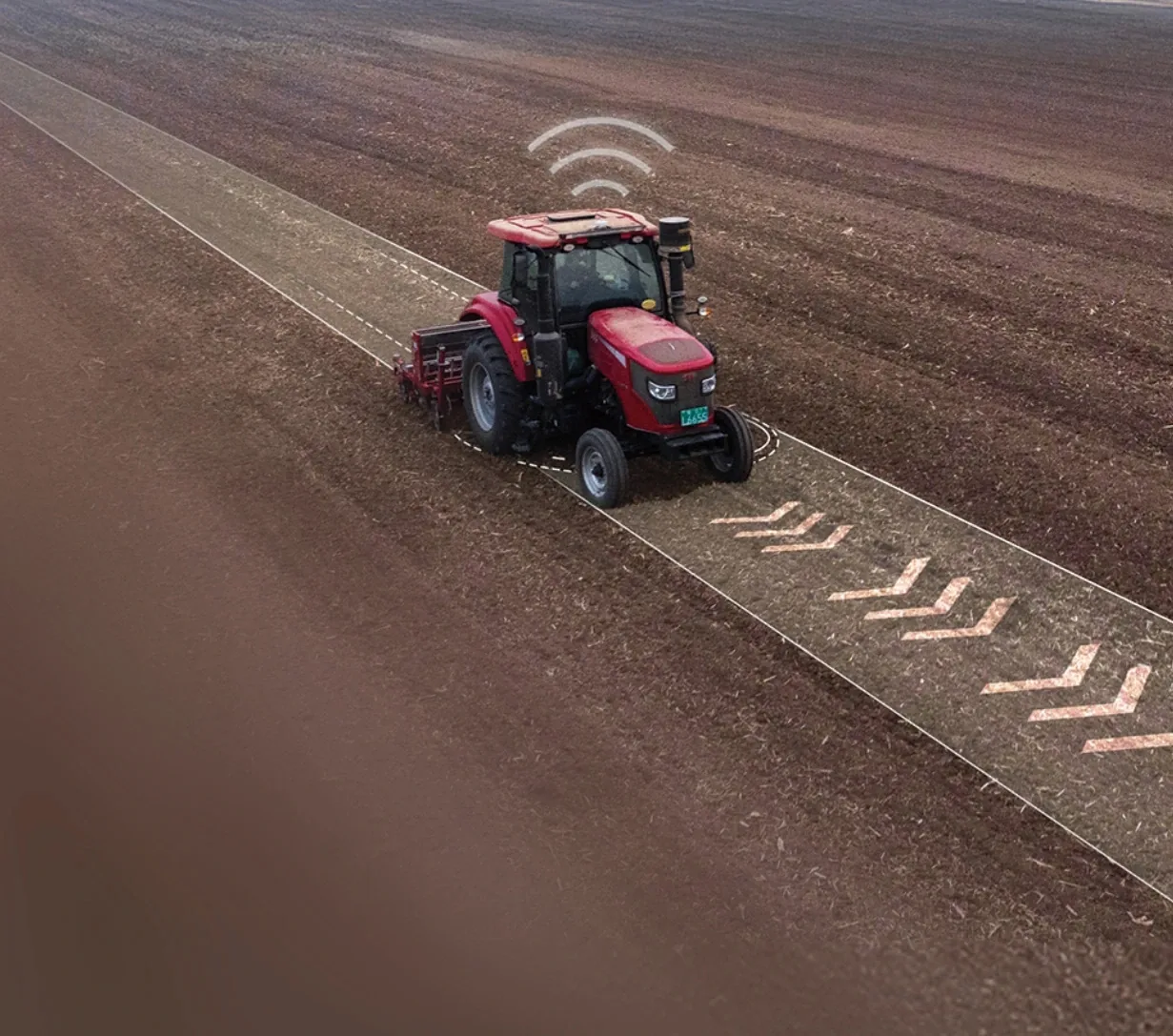
Drone spraying vs tractor and manual application: where each wins
Drone spraying is not a universal replacement for a sprayer. It wins in specific conditions: soft ground, narrow windows, small or fragmented blocks and canopies that need airflow.
Read guide →How many hectares per hour can a spraying drone cover?
The honest answer is: it depends on swath, speed, field efficiency, tank and refill logistics. The useful answer is a calculation you can run on your own block.
Read guide →RTK, CORS and PPP explained for agricultural drone buyers
RTK is often listed as a feature without explaining what it depends on. The correction source decides whether centimetre accuracy is available in your field.
Read guide →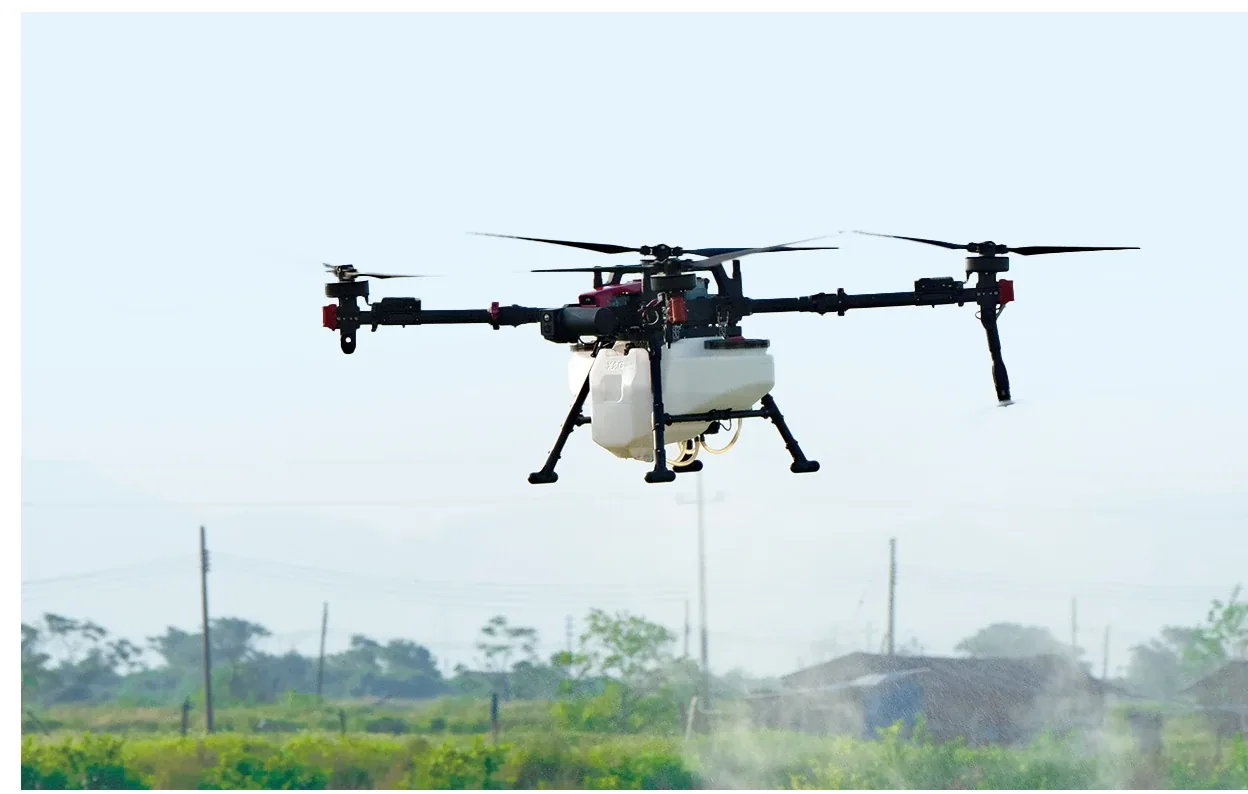
Drone import and regulations checklist for agricultural buyers
Importing a drone is one process; operating it legally is another. Both need to be checked before the aircraft arrives, not after.
Read guide →Next step
Need the answer for your block?
The guides explain the variables. A field demonstration shows what they mean on your crop, terrain and operating window.