Regulations
Drone Regulations — What to Check Before You Fly
Regulation is the part of a drone purchase that cannot be solved by a better aircraft. The same system may be legal in one country and restricted in another, and the approval can depend on the operation, not just the product.
Quick answer
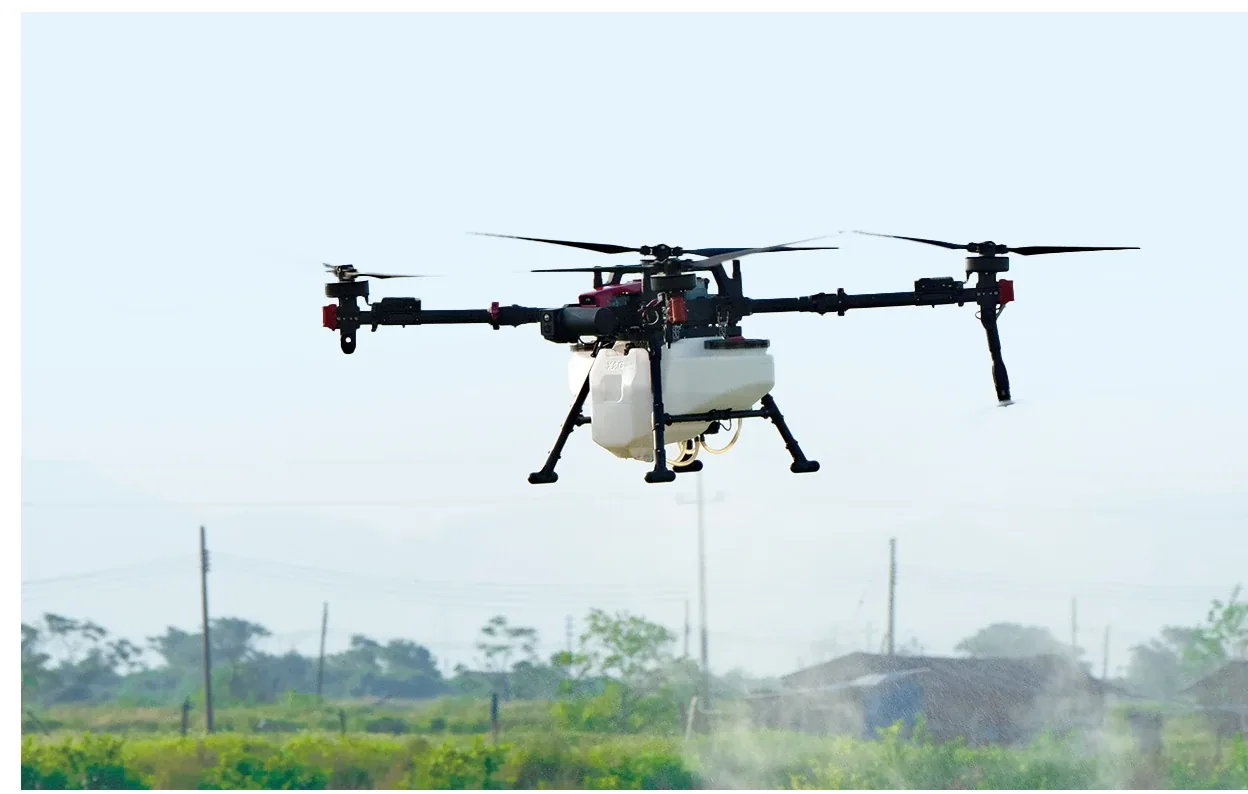
Commercial drone rules vary by country. This page covers 12 markets, 3 authorities (civil aviation, agriculture and telecom) and 4 questions: registration, licensing, aerial application and import. Radio and lithium battery checks add UN38.3; RTK ±10 cm does not replace the permit. Confirm the requirements with the local authority before you operate.
Overview
This page explains the categories to check. It does not replace the local authority, the customs broker or a legal adviser.
Specifications
System specifications
Operator
- Registration
- Check with the local authority
- Remote pilot certificate
- Requirement varies by country
- Practical assessment
- May be required
- Night / BVLOS
- Additional approval may apply
- Record keeping
- Flight and application logs
Aircraft and application
- Remote ID
- Check local requirement
- Geo-fencing
- No-fly zones and sensitive areas
- Aerial application permit
- May be separate from the pilot licence
- Product label
- Approved method and rate
- Buffer zones
- Water, housing and sensitive crops
Import and insurance
- Import documents
- Invoice, packing list, origin, manuals
- Radio / EMC
- Check local compliance
- Lithium batteries
- Dangerous goods rules for air freight
- Liability insurance
- May be mandatory
- Incident reporting
- Check local process
Registration
Registration and remote identification
Many jurisdictions require the aircraft and sometimes the operator to be registered. Remote identification, geo-fencing and a registration mark may also apply.
- Aircraft registration and registration mark.
- Operator or organisation registration.
- Remote ID or electronic identification.
- Geo-fencing and no-fly zone requirements.
- Flight logging and record retention.
Licensing
Operator licensing and competency
Commercial operation often requires a remote pilot certificate, a written exam, practical assessment or logged hours. The requirements differ for visual line of sight, beyond visual line of sight and night operation.
- Remote pilot certificate or competency requirement.
- Medical or language requirement where applicable.
- Practical assessment or logged hours.
- Night, BVLOS or populated-area endorsements.
- Recency and refresher requirements.
Application
Aerial application and spraying approvals
Spraying adds a second layer: the product label, the application method and the aerial approval. Some countries require a specific aerial application licence, a registered operator or a buffer-zone plan.
- Aerial application permit or operator approval.
- Product label and approved application method.
- Buffer zones, water bodies and sensitive areas.
- Notification or record-keeping to the authority.
- Waste, rinsate and container disposal.
Import
Import, product certification and radio
Import may require a commercial invoice, packing list, certificate of origin, product documentation and radio or electrical compliance. Batteries are regulated as dangerous goods for air freight.
- Import permit or customs classification.
- Radio and EMC compliance for the transmitter.
- Electrical safety and battery documentation.
- Dangerous goods declaration for lithium batteries.
- Product manuals in the required language.
Insurance
Insurance, records and incidents
Third-party liability insurance may be mandatory. Keep flight logs, application records, maintenance records and incident reports; they are also useful for warranty claims and customer disputes.
Checklist
What to verify by market
| Area | Question to ask the local authority or partner |
|---|---|
| Registration | Is the aircraft and operator registration required? |
| Licensing | What certificate or competency is required for commercial work? |
| Spraying | Is a separate aerial application approval required? |
| Import | Which documents and duties apply to the shipment? |
| Radio | Is the transmitter compliant with local radio rules? |
| Insurance | Is third-party liability insurance mandatory? |
| Records | What logs and application records must be kept? |
| Batteries | What dangerous goods rules apply to air freight? |
This table is a starting point. It is not a legal opinion and does not list country-specific rules.
Support
How we help
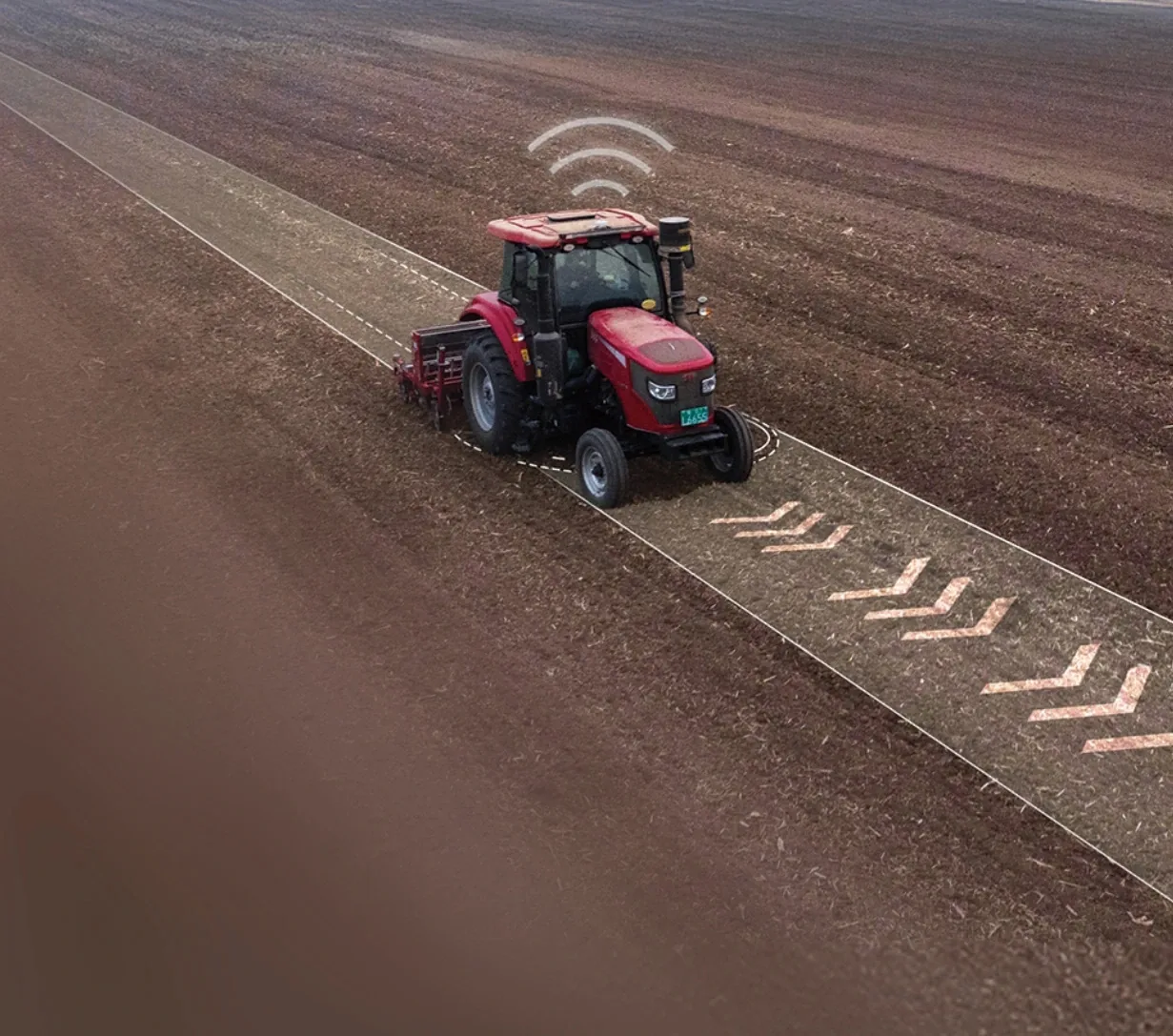
Compliance is part of the operating plan, not a one-time document.
We provide product documentation, configuration records and training records. The local partner can explain the operating requirements in the market. Licensing, import clearance and legal compliance remain the buyer’s responsibility unless a written service is agreed.
Country comparison
Who to ask in each market
Use this table to identify the authorities before you ship or schedule work. Civil aviation usually handles registration and flight approval; agriculture handles aerial application and product use; the telecom regulator handles radio equipment. The exact process changes, so confirm with the authority and a local partner.
The links elsewhere on this page point to the official authority sites for each market.
| Country | Civil aviation | Agriculture | Radio / telecom | What to confirm |
|---|---|---|---|---|
| Thailand | Civil Aviation Authority of Thailand (CAAT) | Department of Agriculture | NBTC (radio and telecommunications) | Aerial application approval and radio compliance are separate from aircraft registration. |
| Vietnam | Civil Aviation Authority of Vietnam (CAAV) | Ministry of Agriculture and Rural Development | Ministry of Information and Communications | Confirm drone registration, pilot licensing and aerial application rules with CAAV and the provincial agriculture authority. |
| Indonesia | Directorate General of Civil Aviation (DGCA) | Ministry of Agriculture | Ministry of Communication and Informatics | Inter-island transport and spare-parts logistics should be planned with the local partner. |
| Philippines | Civil Aviation Authority of the Philippines (CAAP) | Department of Agriculture | National Telecommunications Commission | Island geography makes service and spare-parts access part of the configuration decision. |
| United Arab Emirates | General Civil Aviation Authority (GCAA) | Ministry of Climate Change and Environment | Telecommunications and Digital Government Regulatory Authority | Heat, dust and water quality should be part of the configuration and maintenance plan. |
| Saudi Arabia | General Authority of Civil Aviation (GACA) | Ministry of Environment, Water and Agriculture | Communications, Space and Technology Commission | Confirm import, radio and aerial application requirements before shipment. |
| Nigeria | Nigeria Civil Aviation Authority (NCAA) | Federal Ministry of Agriculture and Food Security | Nigerian Communications Commission | Service distance and spare-parts holding are critical; agree the support plan before the season. |
| Kenya | Kenya Civil Aviation Authority (KCAA) | Ministry of Agriculture and Livestock Development | Communications Authority of Kenya | Export-crop producers often require application records and residue documentation. |
| South Africa | South African Civil Aviation Authority (SACAA) | Department of Agriculture, Land Reform and Rural Development | ICASA (communications) | Commercial operators should confirm RPAS licensing and aerial application requirements with SACAA. |
| Brazil | ANAC (civil aviation) | MAPA (agriculture) | ANATEL (telecommunications) | Aerial application and agricultural product rules may involve both ANAC and MAPA; confirm the operating approval. |
| Argentina | ANAC (civil aviation) | Ministry of Agriculture, Livestock and Fisheries | ENACOM (communications) | Confirm import, registration and aerial application requirements before the order. |
| Mexico | AFAC (civil aviation) | SADER (agriculture) | IFT (telecommunications) | Export-crop operations may require application records and residue compliance. |
Authority names from the market list. Confirm current requirements before shipment.
Checklist
Four approval questions in every market
Separate the questions before you compare answers. A registration approval is not an aerial application approval, and a pilot licence may not cover spraying.
- Registration: aircraft and operator registration, remote ID and registration mark.
- Licence: pilot licence and, separately, aerial application approval.
- Import: radio equipment approval and lithium battery shipping documentation.
- Records: application log, product label, residue documentation and maintenance record.
Requirements change. Confirm the current process with the authority before the order and before the first flight.
Official authorities
- Thailand — Civil Aviation Authority of Thailand (CAAT)
- Thailand — Department of Agriculture
- Thailand — NBTC (radio and telecommunications)
- Vietnam — Civil Aviation Authority of Vietnam (CAAV)
- Vietnam — Ministry of Agriculture and Rural Development
- Vietnam — Ministry of Information and Communications
- Indonesia — Directorate General of Civil Aviation (DGCA)
- Indonesia — Ministry of Agriculture
- Indonesia — Ministry of Communication and Informatics
- Philippines — Civil Aviation Authority of the Philippines (CAAP)
- Philippines — Department of Agriculture
- Philippines — National Telecommunications Commission
- United Arab Emirates — General Civil Aviation Authority (GCAA)
- United Arab Emirates — Ministry of Climate Change and Environment
- United Arab Emirates — Telecommunications and Digital Government Regulatory Authority
- Saudi Arabia — General Authority of Civil Aviation (GACA)
- Saudi Arabia — Ministry of Environment, Water and Agriculture
- Saudi Arabia — Communications, Space and Technology Commission
- Nigeria — Nigeria Civil Aviation Authority (NCAA)
- Nigeria — Federal Ministry of Agriculture and Food Security
- Nigeria — Nigerian Communications Commission
- Kenya — Kenya Civil Aviation Authority (KCAA)
- Kenya — Ministry of Agriculture and Livestock Development
- Kenya — Communications Authority of Kenya
- South Africa — South African Civil Aviation Authority (SACAA)
- South Africa — Department of Agriculture, Land Reform and Rural Development
- South Africa — ICASA (communications)
- Brazil — ANAC (civil aviation)
- Brazil — MAPA (agriculture)
- Brazil — ANATEL (telecommunications)
- Argentina — ANAC (civil aviation)
- Argentina — Ministry of Agriculture, Livestock and Fisheries
- Argentina — ENACOM (communications)
- Mexico — AFAC (civil aviation)
- Mexico — SADER (agriculture)
- Mexico — IFT (telecommunications)
FAQ
Questions buyers ask
Do I need a licence to fly a commercial drone?
In many countries, yes. Commercial operation may require registration, a remote pilot certificate, insurance and sometimes a specific operating approval. Confirm with the local authority.
Is a spraying drone legal everywhere?
No. Aerial application is regulated separately from drone flight in many jurisdictions. The product label, buffer zones and operator approval may all apply.
Can you handle the import and registration?
We provide commercial and product documents. Import clearance, registration and operator licensing remain the buyer’s responsibility unless a local service is agreed in writing.
Do I need insurance?
Third-party liability insurance may be mandatory for commercial operation. Check the local requirement and the policy exclusions for aerial application.
What records should I keep?
Flight logs, application records, maintenance records, training records and incident reports. They support compliance, warranty claims and customer disputes.
Are the rules the same in Southeast Asia, the Middle East and Africa?
No. Each country sets its own registration, licensing and application rules. Use the checklist on this page and confirm with the local authority.
Does this page give legal advice?
No. It is a practical checklist for buyers. It does not replace the local authority, customs broker or legal adviser.
What documents come with the system?
Product manuals, configuration records and commercial documents. Certification and import documents depend on the destination; confirm before shipment.
Is import approval the same as operating approval?
No. Import, aircraft registration, pilot licensing and aerial application are separate approvals. Clearing customs does not mean the aircraft can be flown commercially or used for spraying.
Does a pilot licence cover aerial application?
Not necessarily. Some markets require a separate aerial application approval, operator registration or product-use authorisation. Confirm with the agriculture authority, not only the civil aviation authority.
Which authority should I contact first?
Start with civil aviation for registration and flight approval, then agriculture for aerial application and product use, then the telecom regulator for radio equipment. A local partner can confirm the order and the documents.
What records should I keep?
Aircraft and operator registration, pilot licence, application log, product label, residue documentation and maintenance records. Export-crop buyers may ask for application records as part of their compliance.
Do I need a local partner?
It depends on the market. A local partner can help with registration, customs, service, spare parts and application approvals. For remote or island markets, service distance should be part of the configuration decision.
Next step
Check the rules before the aircraft arrives.
Tell us the country and the operation. We will confirm which documents we can provide and which approvals remain with you.