Price and quotation
Commercial Drone Price — What Drives Cost and How to Quote
A commercial drone is configured for the job. The same aircraft can carry different task modules, batteries, guidance and support packages, so a single public price is rarely accurate.
Quick answer
Commercial drone prices depend on payload, tank or hopper size, battery count, RTK, sensors, software, support and export terms. The P150 carries 70 kg, a 70 L tank and a 115 L hopper; maximum flow is 30 L/min and maximum spread rate is 280 kg/min. Pricing is tailored to your configuration because configurations vary by crop, terrain and country. Send your requirements for a configuration and quotation.
Overview
This page explains what changes the price, what a quotation should include, and how to compare offers without reducing the decision to the lowest number.
Specifications
System specifications
Configuration inputs
- Aircraft
- P150 / P60, configured for your crop and market
- Task modules
- Spray / spread / mapping
- Battery count
- Set by daily hectares and charging plan
- RTK source
- Base station, CORS or PPP
- Sensors
- Mapping or multispectral payload as required
What is included
- Charger
- Included in the quoted configuration
- Spare kit
- Nozzles, filters, seals and wear parts
- Training
- Operator and technician scope set out in your quotation
- Documentation
- Export and product documents
- Commissioning
- Remote or on-site, agreed for your market
Commercial terms
- Price
- Request pricing
- Incoterms
- Set by destination
- Delivery time
- Tailored to your order
- Minimum order
- Tailored to your order
- Warranty
- Tailored to your order
Configuration tiers
What are the three configurations?
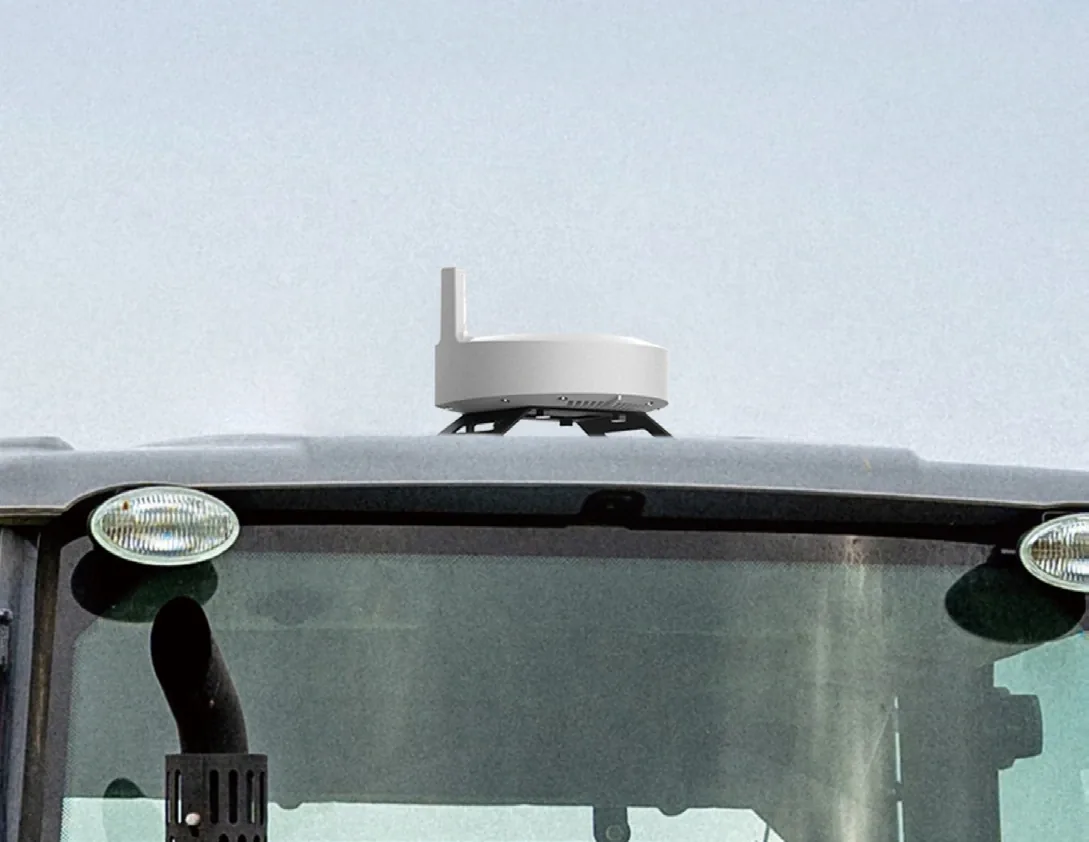
Configuration scope — aircraft, modules, batteries, guidance — drives the quotation.
Most enquiries fit one of three configurations. The tier is defined by the job and the operating scale, not by a stripped-down version of the product.
| Tier | Best fit | Typical configuration | Price |
|---|---|---|---|
| Entry | Small farm or first machine | One aircraft, one task module, two to four batteries, charger, basic RTK, training | Request pricing |
| Professional | Contractor or larger farm | One aircraft, spray and spread modules, extra batteries, field charging, RTK base or CORS, spare kit | Request pricing |
| Fleet | Multi-unit operation or dealer | Multiple aircraft, shared task modules, battery fleet, charging station, training and parts plan | Request pricing |
Cost factors
What moves the price?
| Factor | What changes | Why it matters |
|---|---|---|
| Payload and tank | 70 L / 115 L on P150; P60 specified per market | Larger tanks reduce refills but need more product and transport |
| Task modules | Spray, spread, mapping | Each module adds cost; bundling depends on the season |
| Batteries | Pack count and charger | Battery count is driven by daily hectares and charging time |
| RTK | Base station, CORS or PPP | Correction source availability changes the hardware and service |
| Sensors | Mapping camera, multispectral | Imaging payloads add cost and processing workflow |
| Software and data | Farm App, processing, records | Data workflow may require licences or services |
| Training and support | Operator, technician, spare kit | Support scope changes the total cost of ownership |
| Export terms | Incoterms, freight, insurance, duties | Landed cost varies by country and import route |
Quotation
What should a quotation include?
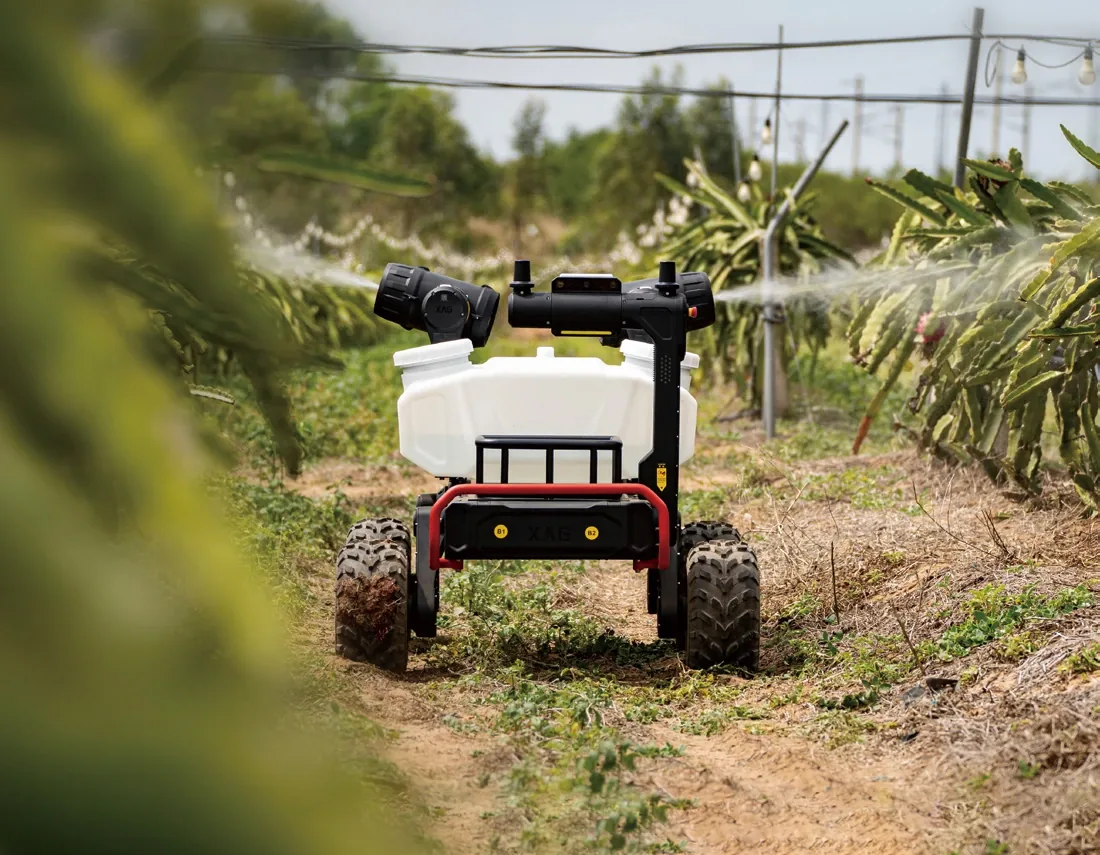
A complete quote covers the task modules, support, training and spare parts, not just the aircraft.
- Aircraft and task modules, with model and configuration.
- Battery count, charger and charging plan.
- RTK source and correction service.
- Spare-parts kit and consumables for the first season.
- Operator and technician training scope.
- Documentation, export packing and Incoterms.
- Delivery time, payment terms and warranty.
- Support contact and response process.
Markets
Why do prices differ by country?
The same configuration can land at different costs because of freight, import duties, certification, currency and local service. We quote by destination, not by a single global number.
| Market | Typical considerations |
|---|---|
| Southeast Asia | Freight, import duties, humidity and service access |
| Middle East | Heat, dust, water quality and spare-parts turnaround |
| Africa | Service distance, customs clearance and training logistics |
| Latin America | Import procedures, language and local support |
We do not market to India. US and EU enquiries are reviewed individually against certification and local compliance.
Return
How do you judge the return?
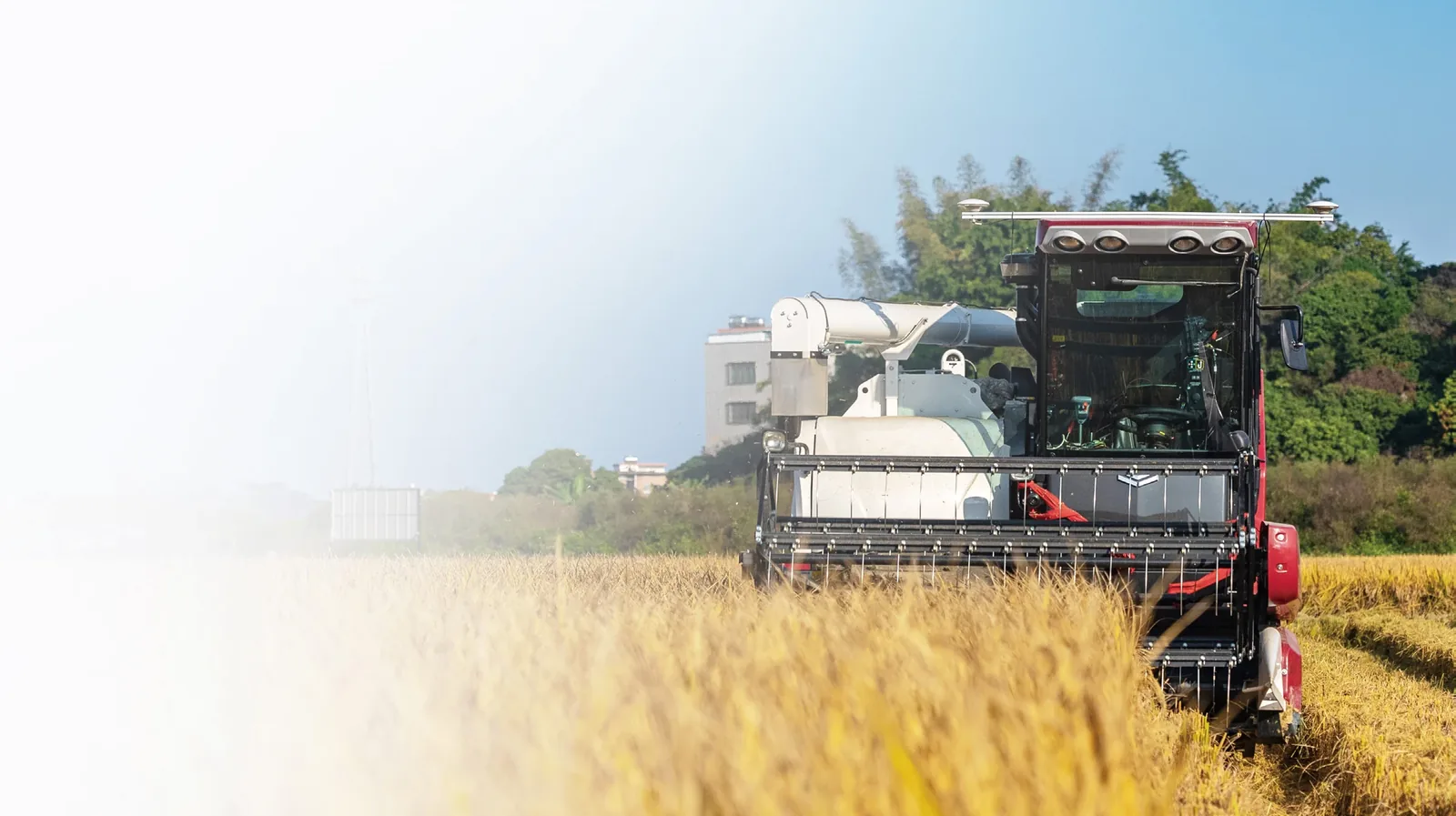
The return depends on utilization and timing, not only on the purchase price.
Compare the system against the cost of the operation it replaces: product, water, labour, fuel, soil compaction and timeliness. The strongest case is usually a narrow window where ground equipment cannot enter or labour is unavailable.
Do not accept a single payback number. Ask for the assumptions: hectares, application rate, passes, labour cost, product cost and utilization.
Configuration
What changes the price between two quotations
Two quotations for the same model can differ because the configuration differs. Payload, tank or hopper, battery count, guidance, task modules, support and freight are part of the system, not accessories. Compare the whole scope, not the aircraft line.
The table below uses the published platform values. “Ask our team” means the value is confirmed for your configuration; it is not a missing specification.
| Platform | Payload | Tank / hopper | Flow / spread | Guidance | Best fit |
|---|---|---|---|---|---|
| XAG P150 | 70 kg | 70 L / 115 L | 30 L/min / 280 kg/min | RTK ±10 cm | Agricultural / spraying |
| XAG P60 | Ask our team | Ask our team / Ask our team | Ask our team / Ask our team | RTK | Agricultural / spraying |
| XAG APC2 | — | — / — | — / — | ±2.5 cm | Autopilot |
| XAG R150 | Ask our team | Ask our team / — | Ask our team / — | Centimeter-level | Ground robot |
| XAG Remote Sensing Drone | 4 switchable cameras | — / — | — / — | RTK | Mapping / survey |
| XAG FBV | — | — / — | Pressure / flow control / — | App scheduling | Fertigation |
| XAG FPDI | — | — / — | 2.5 m³/h / — | Variable-frequency control | Fertigation |
| XAG Farm Camera | 5 MP | — / — | — / — | Fixed-point monitoring | Farm IoT |
Published platform values. Final configuration and price are confirmed on quotation.
Cost per hectare
A worked example you can fill with your own numbers
Cost per hectare is a season calculation, not an aircraft price. Use the same inputs for every supplier: hectares per season, applications per season, tank size, application rate, refill loop and battery count.
At 60 L/ha, a 70 L tank covers about 1.2 ha per fill. At a 6 m swath, 6 m/s and 70% field efficiency, the effective output is about 9 ha/h. Ten hectares need about eight refills; if each refill costs ten minutes, the refill loop — not the tank — sets the day.
A second pass at 8 m swath, 6 m/s and 75% efficiency gives 17.3 ha/h theoretical and 13.0 ha/h effective; the same 70 L tank still covers about 1.2 ha at 60 L/ha, so the refill interval falls to about 6 minutes. For a 300 ha block with 4 applications and 9 ha/h effective output, the application time is about 133 hours before refills, battery swaps and weather.
Put your quoted total annual cost over the hectares actually treated. The result is the number to compare, not the aircraft list price.
| Input | Example | Unit |
|---|---|---|
| Season area | 300 | ha |
| Applications per season | 4 | passes |
| Tank | 70 | L |
| Application rate | 60 | L/ha |
| Effective output | 9 | ha/h |
| Hectares per tank | 1.2 | ha |
| Refills per 10 ha | 8 | refills |
| Cost per hectare | (annual cost) ÷ (area × applications) | currency/ha |
Example inputs are for calculation only; they are not a quotation.
Quotation
What a complete quotation should list
Ask every supplier for the same line items. A missing battery, charger, RTK source or training day changes the comparison more than a small difference in the aircraft line.
| Line | Ask for | Check |
|---|---|---|
| Platform | Model and included modules | Matches the selected job. |
| Tank / hopper | Size and material | Fits the application rate. |
| Batteries | Count, capacity, charger | Covers a full shift with swaps. |
| Guidance | RTK base, CORS or PPP | Correction source is included. |
| Freight | Incoterm and packing | Landed cost is comparable. |
| Insurance | Scope | Covers transit and installation. |
| Training | Days and people | Operator and technician. |
| Spares | Starter kit and lead time | Season downtime is covered. |
| Warranty | Terms and response | Written, not verbal. |
| Payment | Milestones | Matches the delivery schedule. |
Use the same list for every supplier so the comparison is like for like.
FAQ
Questions buyers ask
Why don’t you publish a price?
Because the configuration changes with crop, area, terrain, battery count, RTK, sensors, support and export terms. A single number would be misleading. We quote the actual configuration for your destination.
What is the cheapest commercial drone?
The cheapest configuration is the one that matches the job without excess capacity. For small plots, a compact platform with one task module and a minimum battery set may be enough. We will not recommend a larger model just to increase the order.
What does a quotation include?
Aircraft, task modules, batteries, charger, RTK, spare kit, training scope, documentation, Incoterms, delivery time, payment terms and warranty. Ask for each item explicitly so offers are comparable.
Do you offer financing or leasing?
Financing depends on the market and the partner. We can introduce the commercial terms available through the authorized network; we do not provide financing directly.
Why do prices differ by country?
Freight, import duties, certification, currency and local service change the landed cost. We quote by destination rather than publish a single global price.
Can I buy a single unit?
Order size depends on the configuration. Single units, fleets and dealer orders are quoted separately.
What is the delivery time?
Delivery time depends on the configuration, production schedule and destination. It is set out in your quotation, not estimated on the website.
Do you sell used or demo units?
New systems are the standard offer. Demo units may be available from time to time; availability and condition are provided in writing.
How do I compare two quotations?
Compare the aircraft, task modules, battery count, charger, RTK, spare kit, training, documentation, Incoterms and warranty. A lower price with fewer batteries or no training is not the same scope.
Why don’t you publish a price?
Because the system is configured for the crop, terrain, battery plan, guidance source, support scope and destination market. A single list price would be wrong for most buyers. Send the requirements and we quote the configuration.
What should I send for a quotation?
Crop, area, terrain, country, timeline, current equipment and the job you need to repeat. For a fleet, add the number of blocks, refill distance and the number of operators.
What changes the price most?
Platform class, tank or hopper, battery count, RTK source, task modules, freight and the support scope. A lower aircraft price can hide fewer batteries, a smaller charger or a shorter warranty.
How do I compare two quotations?
Use the same Incoterm, battery count, charger, RTK source, training days, spare-parts kit and warranty. Compare the cost per hectare over the hectares actually treated, not the aircraft line.
Is the cheapest aircraft the cheapest per hectare?
Not necessarily. Downtime, refill time, battery swaps and spare-parts lead time decide the season output. A slightly higher specification with local support can be cheaper per hectare than a lower price with weak support.
Next step
Send the requirements, get a real configuration.
Tell us the crop, area, terrain, country and timeline. We will reply with a configuration and a quotation scope.