In this guide
This comparison sets out where each method fits.
Application
Drone spraying is not a universal replacement for a sprayer. It wins in specific conditions: soft ground, narrow windows, small or fragmented blocks and canopies that need airflow.
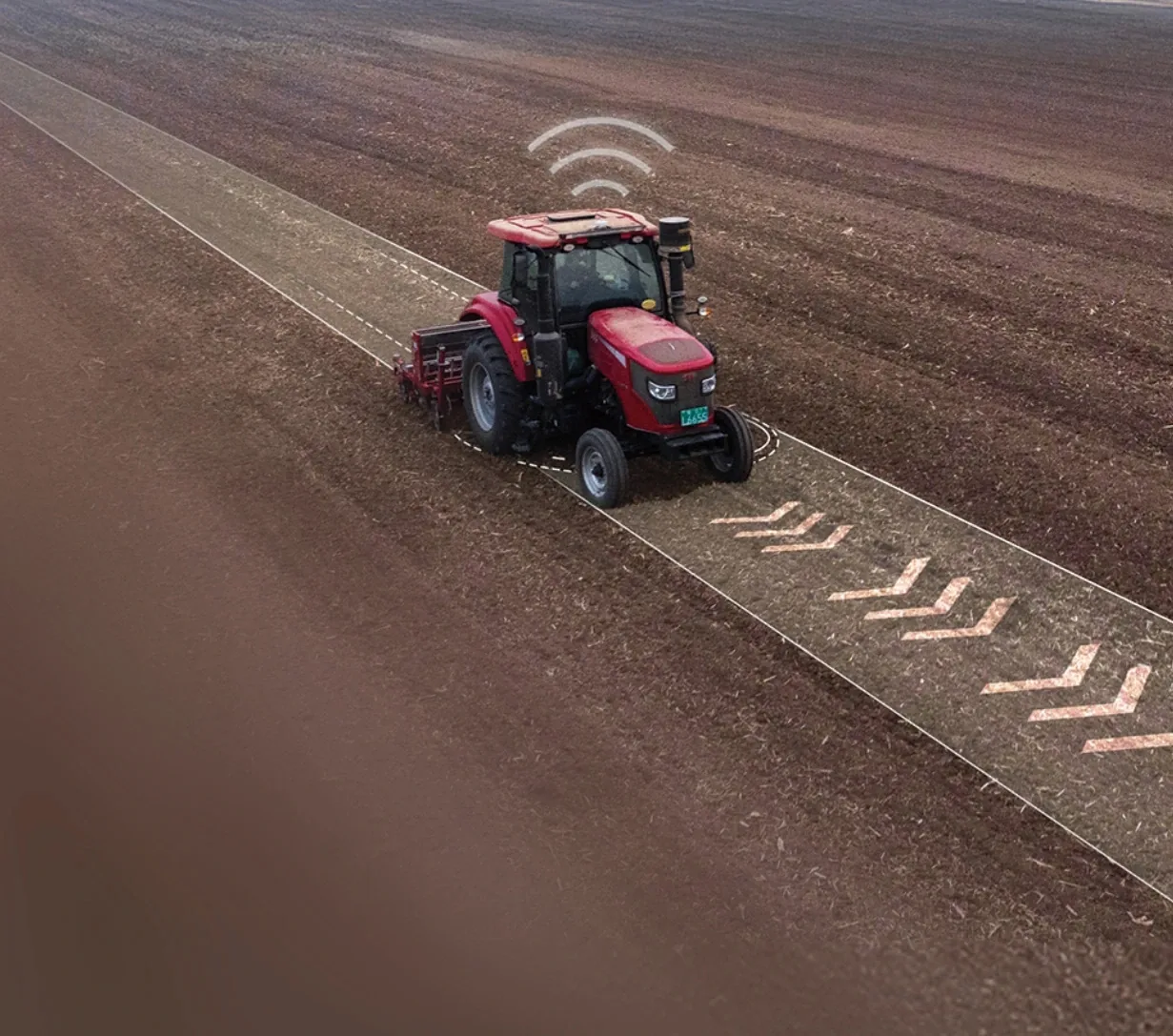
Quick answer
A 6 m swath at 6 m/s is about 13 ha/h theoretical, or about 9 ha/h at 70% field efficiency; a 70 L tank at 60 L/ha covers about 1.2 ha per fill. The drone wins on compaction, wet access and deployment speed; the tractor wins on water volume and some deep-canopy work.
In this guide
This comparison sets out where each method fits.
Compaction
A tractor carries weight over the soil; a drone does not. In wet conditions, the difference can decide whether the application happens at all.
Water
Drone spraying is typically low-volume and airflow-assisted. A tractor boom can apply higher water volumes and may give better coverage low in the canopy. Match the method to the product label and canopy.
Compare
| Consideration | Drone | Tractor / manual |
|---|---|---|
| Compaction | None | Wheel traffic |
| Wet-field access | Often possible | Limited |
| Water volume | Low-volume | Higher volume typical |
| Canopy coverage | Airflow-assisted from above | Boom height dependent |
| Labour | Pilot and spotter | Driver or crew |
| Timing | Fast deployment | Weather and access dependent |
Tractor
High-volume products, deep canopy penetration, soil-applied herbicides and large flat blocks may still favour a ground sprayer. The drone is a complement, not an ideological replacement.
Hybrid
Many farms use the drone for timely passes and the sprayer for high-volume or soil work. The right mix depends on the crop, product and window.
Key takeaways
Related guides
A spraying drone listing usually leads with tank size and maximum flow. Those numbers matter, but they do not tell you how many hectares you will finish in a day.
SelectionMost agricultural drone comparisons start with payload. That is the wrong first question. The right first question is: which job do you need to repeat, on which blocks, with what support?
ApplicationThe honest answer is: it depends on swath, speed, field efficiency, tank and refill logistics. The useful answer is a calculation you can run on your own block.
Next step
Tell us the crop, product and field condition. We will propose a drone/tractor split.