In this guide
This guide walks through a selection sequence that keeps the aircraft, tank, batteries, refill plan and regulations in the same decision.
Selection
Most agricultural drone comparisons start with payload. That is the wrong first question. The right first question is: which job do you need to repeat, on which blocks, with what support?
Quick answer
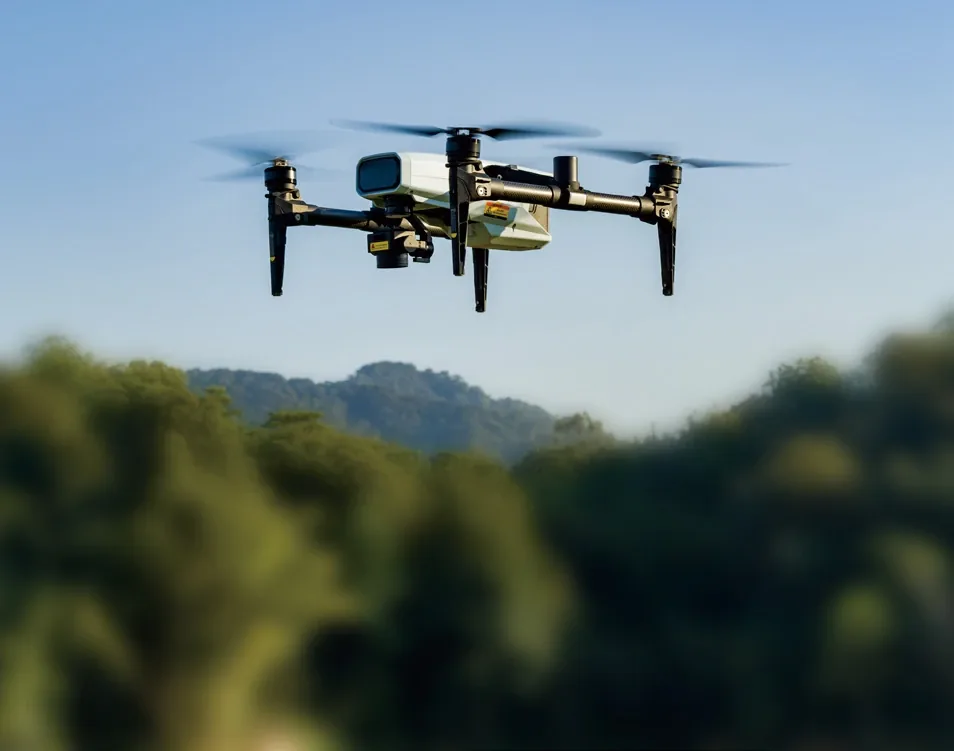
Start with the job, the operating window and the refill loop, not the payload. A P150 carries 70 kg with RTK ±10 cm and a 6 m spray swath; a 100-hectare block with a short refill loop is a different decision from ten small plots. Check local support and regulations before the specification.
In this guide
This guide walks through a selection sequence that keeps the aircraft, tank, batteries, refill plan and regulations in the same decision.
Step 1
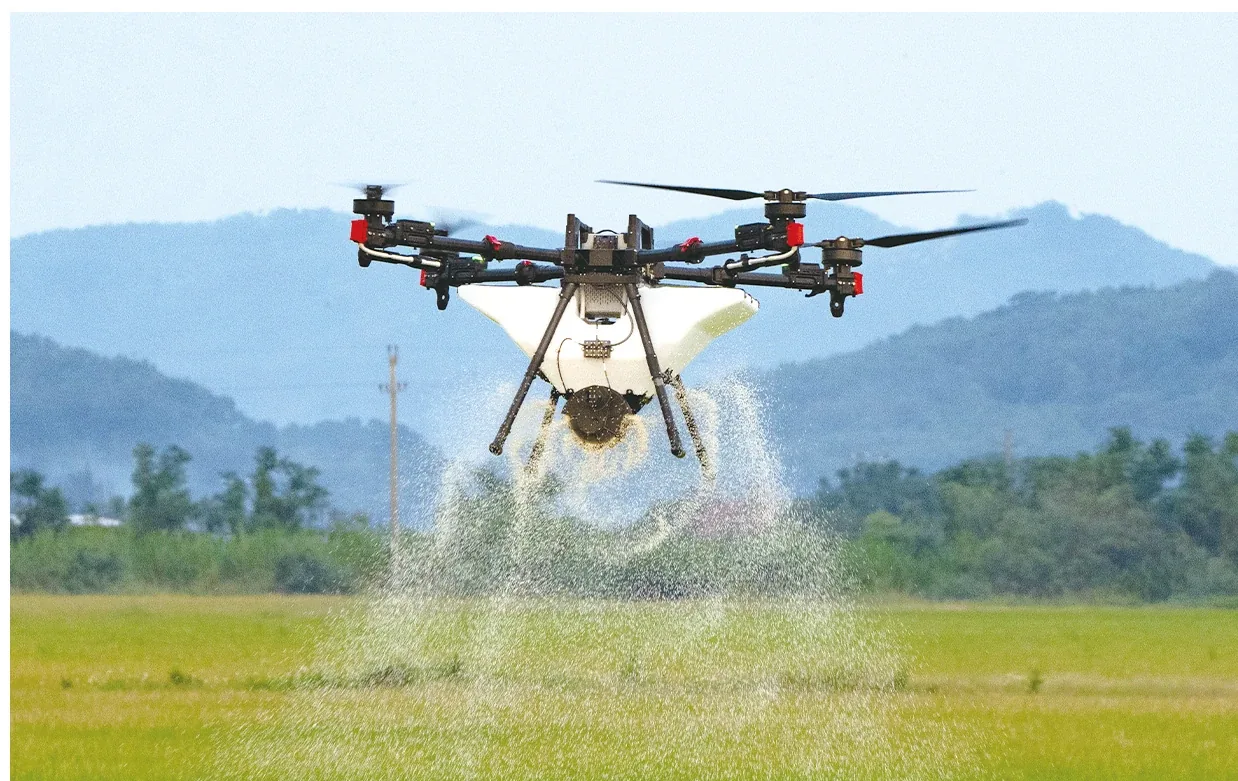
Spraying, spreading, seeding and mapping are different jobs with different economics. A spraying programme is driven by tank size, flow, swath and refill distance. A spreading programme is driven by hopper size and spread rate. Mapping is driven by camera payload, RTK and processing.
Write down the primary job and the second job. If mapping is occasional, a task module on the spray aircraft may be enough. If mapping is weekly, a dedicated survey aircraft may be better.
Step 2
Area alone is not enough. A 100-hectare block with a short refill loop is different from 100 hectares split into ten small plots. Terrain decides whether a ground robot is needed for rows the aircraft cannot reach.
| Situation | Starting point | Why |
|---|---|---|
| Small or fragmented plots, flat | P60 | Compact transport and lower logistics |
| Large blocks, high daily output | P150 | 70 L tank, 115 L hopper, higher throughput |
| Orchard rows or dense canopy | P150 + R150 | Air for canopy, ground for confined rows |
| Frequent mapping | P150 + RealTerra 3, or survey drone | Task module or dedicated camera platform |
Step 3
A larger tank only helps if the refill loop is short. Calculate hectares per tank at your application rate, then check how many refills and battery swaps fit in a working day.
Use the coverage calculator as a starting point: effective swath × speed × 0.36 gives theoretical hectares per hour; field efficiency reduces it for turns, refills and swaps.
Step 4
Training, spare parts, service response and local regulations decide whether the aircraft can work through the season. A slightly smaller platform with strong local support is often the better commercial decision.
Step 5
The right configuration is the one that finishes the job inside the window.
Define the job, map the blocks, estimate hectares per hour, check support, then request a quotation for the full scope. Do not compare aircraft prices without the tank, batteries, charger, guidance, training and spare kit.
Key takeaways
Related guides
The P150 and P60 share the XAG task-system logic. The difference is throughput versus transportability, and the operating scale each one supports.
ApplicationA spraying drone listing usually leads with tank size and maximum flow. Those numbers matter, but they do not tell you how many hectares you will finish in a day.
BuyingA commercial drone quotation can look simple: aircraft, batteries, charger. The differences that decide the total cost are usually outside that list — guidance, spare parts, training, export terms and support.
Next step
Send the crop, area, terrain and country. We will recommend a platform and the support scope.