Commercial drone systems
Commercial Drone — Agricultural, Industrial and Mapping UAVs
Commercial drone buyers are not shopping for a camera. They are buying a working asset: a platform that carries a payload, follows a repeatable route, survives field conditions and can be serviced when something breaks.
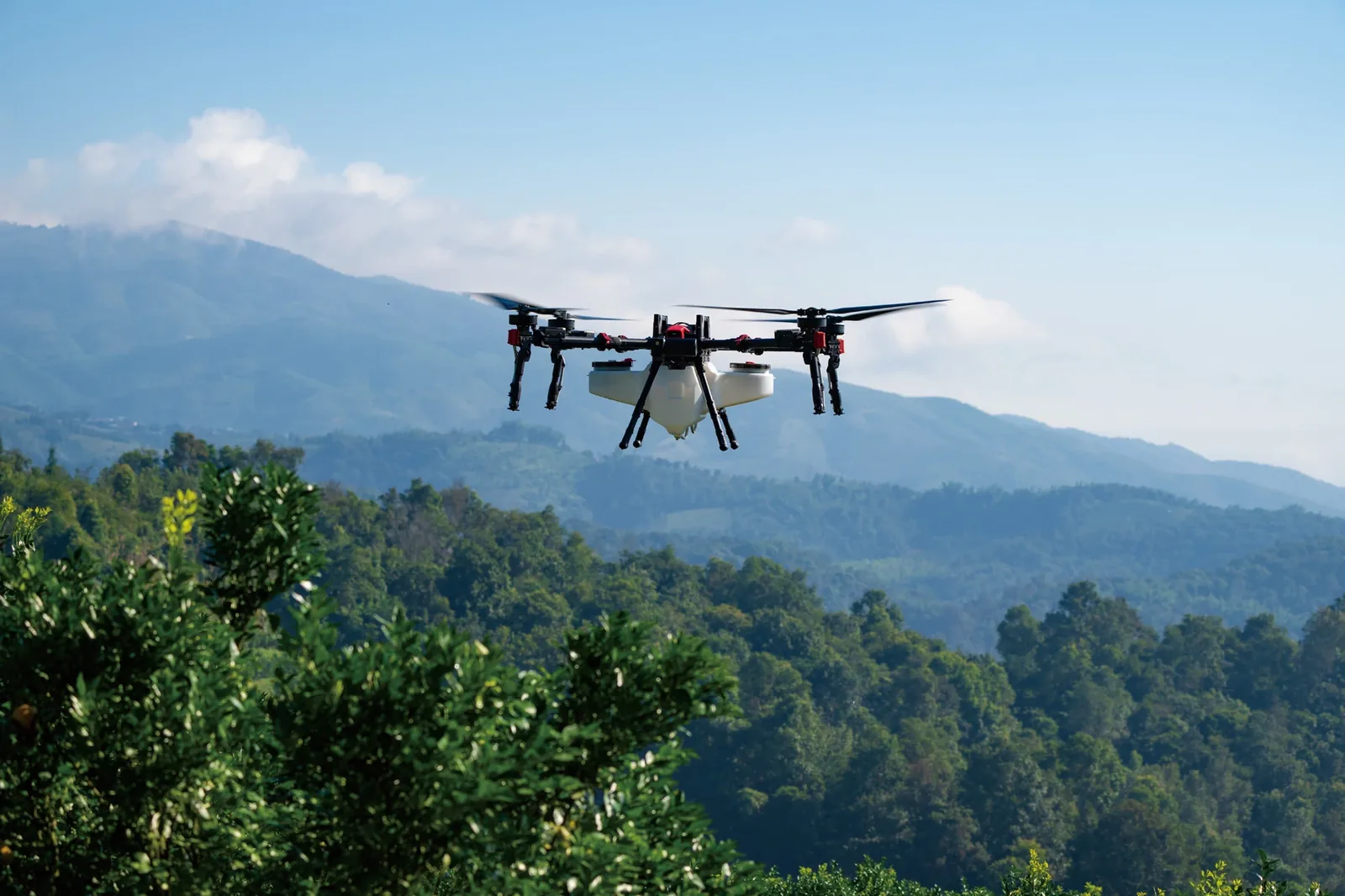
Quick answer
A commercial drone is an aircraft used for productive work — spraying, spreading, mapping, surveying or inspection — rather than consumer photography. Commercial Drone Factory supplies factory-direct XAG agricultural, spraying and mapping drones as an authorized XAG distributor. The P150 carries 70 kg with a 70 L tank and a 115 L hopper; the configuration is confirmed on quotation.
Overview
This page explains what makes a drone commercial, the three job families we supply, and what to check before you request a quotation. We are an authorized XAG distributor, not the manufacturer; XAG builds the aircraft, and we configure and supply it for your market.
Specifications
System specifications
Aircraft and payload
- Maximum payload
- 70 kg (P150); P60: ask our team
- Liquid tank
- 70 L (P150); P60: ask our team
- Granule hopper
- 115 L (P150); P60: ask our team
- Protection rating
- IPX6K (P150)
- Folded dimensions
- 1072 × 1102 × 788 mm (P150, RevoSpray 4 fitted)
Application
- Maximum spray flow
- 30 L/min (P150)
- Effective spray width
- 5–10 m (P150)
- Droplet size
- 60–400 µm (P150)
- Maximum spread rate
- 280 kg/min (P150)
- Effective spread width
- 8 m (P150)
Guidance and safety
- Hovering precision
- RTK ±10 cm horizontal / vertical (P150)
- Radar
- 4D imaging, beamforming (P150)
- Sensing range
- 1.5–100 m (P150)
- Obstacle avoidance distance
- 2.5 m (P150)
- Maximum flight speed
- 18 m/s (P150; observe local rules)
Supply and support
- Manufacturer
- XAG
- Supply model
- Authorized distributor, factory-direct order
- Training
- Operator and technician training through the XAG partner network
- Spare parts
- Genuine parts through the authorized network
- Delivery and order size
- Tailored to your order
Definition
What makes a drone commercial?
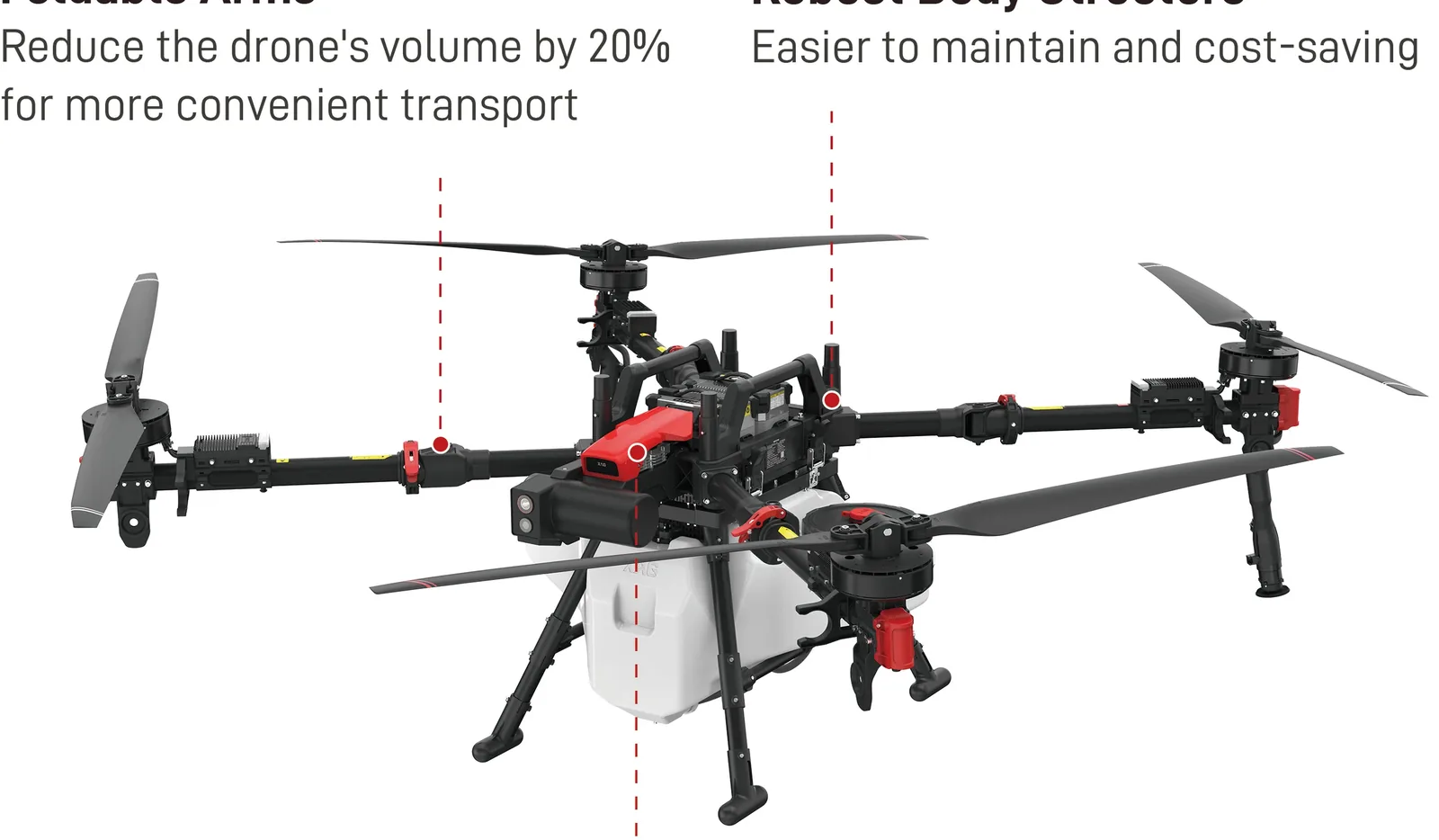
Task modules, folding arms and a serviceable airframe are part of what makes a platform commercial.
The difference is the job, not the airframe. A commercial drone is specified around payload, application accuracy, endurance, repeatability and service life. A consumer drone is specified around image quality and portability.
For agricultural work, that means a liquid tank or granule hopper, a pump and nozzle system, RTK guidance, obstacle radar and a workflow that a field operator can repeat several times a day.
- Payload and tank/hopper sized to the job, not to the camera.
- RTK guidance for repeatable passes and reduced overlap.
- IP-rated airframe, field-serviceable modules and spare-part availability.
- A control workflow that handles refills, battery rotation and record keeping.
- Documentation and training so the operator can work safely and legally.
Applications
What can a commercial drone do?
Most commercial drone enquiries fall into three groups. The right platform depends on which job you need to repeat, not on which specification looks largest.
| Job family | Typical work | What matters most |
|---|---|---|
| Application | Crop spraying, granule spreading, seeding, aquaculture feeding | Tank/hopper size, flow rate, swath, refill logistics |
| Mapping and survey | Orthomosaics, elevation models, crop indices, field planning | Camera payload, RTK, image overlap, processing workflow |
| Ground and guidance | Orchard ground spraying, tractor autopilot, fertigation control | Terrain access, guidance accuracy, integration with field records |
Comparison
Commercial vs consumer: what is the difference?
A consumer drone can take a picture of a field. It is not built to apply a chemical, carry a 70 kg payload or keep working through a season. The table below is the practical difference.
| Consideration | Commercial drone | Consumer drone |
|---|---|---|
| Primary job | Apply, spread, map or survey | Photography and video |
| Payload | Liquid, granule, sensor or task module | Camera and gimbal |
| Guidance | RTK, route planning, obstacle radar | GNSS and visual positioning |
| Durability | IP-rated, field-serviceable | Consumer-grade enclosure |
| Support | Training, spare parts, service network | Retail warranty |
| Regulation | Commercial operation and licensing may apply | Recreational rules may apply |
Buying checklist
What should you check before you buy?
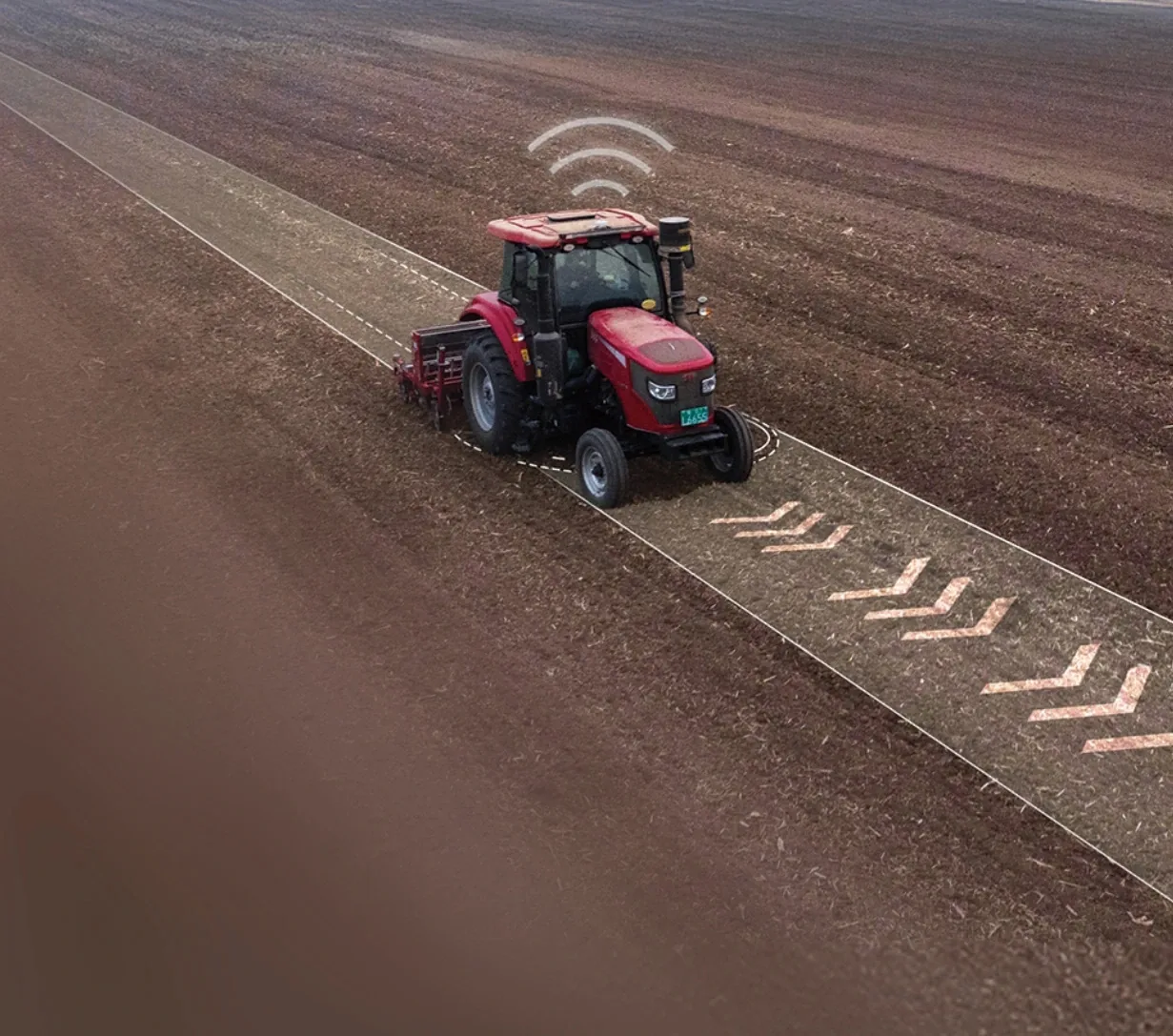
Guidance, refill logistics and local support matter as much as the aircraft specification.
Ask for the configuration that matches your crop, plot size and terrain — not the largest model available. A dealer who cannot explain refill logistics, battery count and service response is selling a box, not a working system.
- Payload and tank/hopper size against your application rate and refill points.
- Effective swath and realistic daily coverage, not just maximum flow.
- RTK source: base station, CORS or PPP, and who supports it locally.
- Battery count and charging time for a full working day.
- Spare parts, training and response time in your country.
- Import, registration and operator licensing requirements.
Our role
How do we supply?

Commissioning and operator training are part of the supply, not an afterthought.
Commercial Drone Factory is an authorized XAG distributor. XAG manufactures the systems; we configure and supply them. We specify the system for your crop and market, place the factory order, arrange export documentation, commission the equipment and support it with training and spare parts.
That distinction matters: you get factory-direct product access with a local point of accountability for configuration and after-sales.
FAQ
Questions buyers ask
What is a commercial drone?
A commercial drone is an aircraft used for productive work such as spraying, spreading, mapping or surveying. It is specified for payload, repeatability, durability and service — not for consumer photography.
What is the difference between a commercial and a consumer drone?
A commercial drone carries task payloads, uses RTK guidance and is built for field service. A consumer drone is optimised for camera quality and portability, with limited payload and support for commercial operations.
What can a commercial drone do on a farm?
The main jobs are liquid spraying, granule spreading, seeding, field mapping and crop scouting. Ground robots and autopilot consoles cover orchard rows and tractor guidance where an aircraft is not the right tool.
How much does a commercial drone cost?
Price depends on payload, tank or hopper, battery count, RTK, sensors, software and export terms. Pricing is tailored to your configuration; send your crop, area, terrain and country for a configuration and quotation.
Do I need a licence to operate a commercial drone?
Rules vary by country. Commercial operation may require registration, operator certification or spraying approvals. Your local authority and our partner team can confirm the requirements for your market.
Can a commercial drone work without RTK?
Yes, but accuracy drops. RTK gives centimetre-level repeatability, which reduces overlap and missed strips. Without RTK, expect metre-level variation and more manual correction.
Are you the manufacturer?
No. XAG is the manufacturer. We are an authorized XAG distributor, providing factory-direct configuration, export documentation, commissioning, training and spare parts.
Which markets do you serve?
We focus on Southeast Asia, the Middle East, Africa and Latin America. We do not market to India. US and EU enquiries are reviewed individually, depending on certification and local compliance.
What support is included with a system?
Typical supply includes configuration, commissioning, operator training, documentation and access to genuine spare parts. Warranty terms, response time and training scope are set out in your quotation.
Next step
Tell us the job, not just the model.
Share your crop, area, terrain and country. We will recommend a configuration and send a quotation covering what is included.